Best Wood for Furniture in Nepal: Sisau, Sal, Teak and Engineered Timber Compared
By Ashwi Master Joiners & Production Team | Updated on 2025-03-01 | 8 min read
Selecting the right timber decides whether your bed, dining table, or wardrobe lasts 3 decades or begins warping after two monsoon seasons. Here is our direct comparison based on Kathmandu workshop experience.
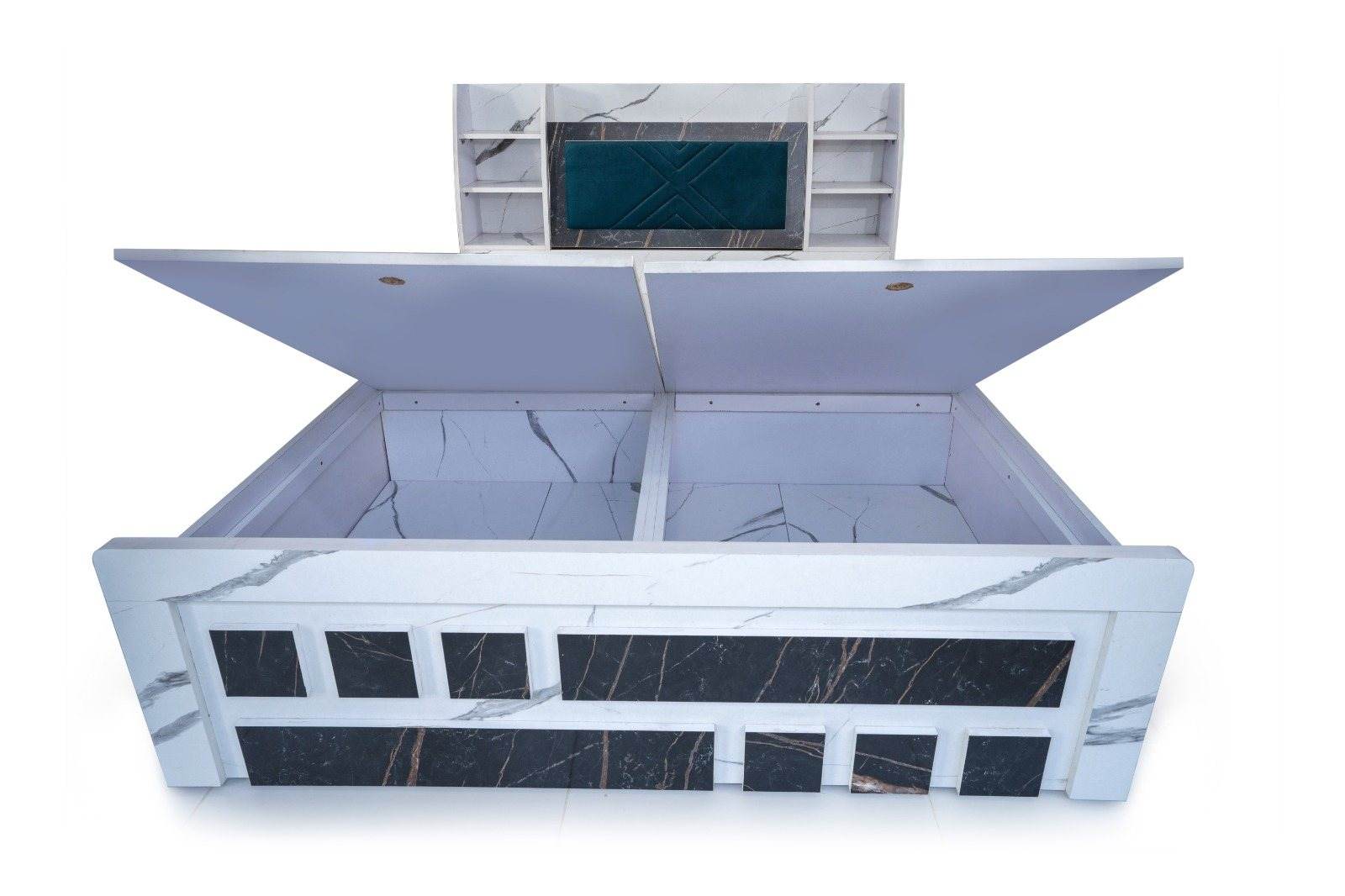
Why Timber Selection Is Different in Kathmandu Valley
Kathmandu experiences intense seasonal humidity swings. During the monsoon months between June and September, indoor relative humidity regularly crosses 80%. In winter, it plummets below 35%. Poorly seasoned timber will absorb moisture during the rains and swell, making wardrobe doors stick. In the dry winter, unseasoned wood shrinks and splits along the grain.
Termites (धमिरा) and wood-boring beetles also thrive in the sub-tropical soil across Kathmandu, Lalitpur, and Bhaktapur. When investing Rs. 40,000 to Rs. 100,000 in solid wood home furniture, knowing the timber grain, density, and seasoning process protects your money.
1. Sisau (Indian Rosewood / Sheesham) - The Best Balance for Indoor Furniture
Sisau (Dalbergia sissoo), commercially called Sheesham or Indian Rosewood, is the most popular premium hardwood for living room and bedroom furniture in Nepal.
Key Advantages: Dense interlocking grain that resists splitting. Rich golden-brown to deep chestnut tones with natural dark marbling. It takes polyurethane, lacquer, and natural oil finishes cleanly.
Best Used For: King beds, hydraulic storage beds, dining tables, coffee tables, and executive desks.
Price Range: High-grade seasoned Sisau costs around Rs. 4,500 to Rs. 6,500 per cubic foot (cft) in raw log form, placing finished furniture in the premium-affordable tier.
2. Sal Wood (Sakhuwa / Shorea Robusta) - Indestructible Structural Timber
Sal (Shorea robusta), locally known as Sakhuwa, is one of the heaviest and most durable hardwoods in South Asia. Freshly cut Sal is light brown, darkening to dark brown with age.
Key Advantages: Naturally saturated with protective resins that make it virtually immune to termites and rot, even under damp conditions. It can withstand massive mechanical loads.
Drawbacks: Sal is extremely difficult to plane and carve because of its immense fiber density. It does not take delicate stains easily and is prone to surface checking if exposed to direct indoor heating.
Best Used For: Door and window frames (chaukhat), main building structural columns, heavy garden benches, and bed load-bearing beams.
3. Teak Wood (Sagwan) - The Standard for Carvings and Longevity
Teak (Tectona grandis) is renowned for its high natural silica and oil content. It is soft enough for intricate floral hand-carvings yet resistant to warping.
Key Advantages: Exceptionally stable across dry and wet seasons. Does not contract or expand noticeably once kiln-seasoned.
Best Used For: Sacred home mandirs, ornate heritage bed headboards, luxury dining armchairs, and outdoor patio furniture.
Price Range: Authentic mature teak is the most expensive timber option in Nepal, frequently priced at Rs. 8,000 to Rs. 14,000 per cft.
4. Engineered Woods: HDHMR, Plywood vs Solid Wood
Engineered wood has developed rapidly. However, not all boards are equal:
MDF and Particle Board: Highly vulnerable to water. Spilling a glass of water on standard particle board in Kathmandu causes the edge to swell permanently within 48 hours.
BWP Marine Grade Plywood & HDHMR (High Density High Moisture Resistance): Excellent for flat structural surfaces like sliding wardrobe carcasses, inner bed base sheets, and kitchen cabinets. When laminated or veneered properly, HDHMR resists humidity better than poorly seasoned low-cost pine.
Direct Comparison: Timber Specifications at a Glance
Sisau (Sheesham): Termite Resistance High | Moisture Stability High (when seasoned) | Workability Excellent | Best for Beds, Sofas, Dining Tables.
Sal (Sakhuwa): Termite Resistance Extreme | Moisture Stability Medium | Workability Tough | Best for Door Frames, Bed Under-Frames.
Teak (Sagwan): Termite Resistance Very High | Moisture Stability Exceptional | Workability Best | Best for Mandirs, Ornate Carved Sets.
Pine (Salla): Termite Resistance Low | Moisture Stability Low | Workability Very Easy | Best for Temporary low-cost furniture.
Frequently Asked Questions
Which wood is best for a bed in Kathmandu?
Seasoned Sisau (Sheesham) is the optimal choice for beds in Kathmandu. It offers the ideal balance of heavy weight, resistance to mattress sagging, and resistance to seasonal warping.
How do I know if the wood is genuinely seasoned?
Properly seasoned wood feels dry and balanced in temperature. Tap the wood with your knuckles; seasoned wood produces a clear resonant knock, whereas unseasoned wet timber gives a dull thud. Moisture meters should read under 12% to 14% for Kathmandu climate.
Does Ashwi Furniture offer solid wood beds with cash on delivery?
Yes. All our solid timber beds and furniture are delivered directly to your room in Kathmandu, Lalitpur, and Bhaktapur with 100% Payment After Delivery. You inspect the joinery and finish before paying.
✓ 100% Payment After Delivery: We deliver and assemble across Kathmandu, Lalitpur, and Bhaktapur. Inspect your furniture before paying. For custom sizing or inquiries, call or WhatsApp 9860479751.